Source Adjustable Iron Pet Barrier for Home, Garden, and Office
Find an adjustable iron pet barrier for 30 available products. Compare wall-mounted and floor-type options made from iron or metal. These multifunctional traps and fences offer eco-friendly, recyclable solutions for indoor cat repellent and decorative mesh applications; compare the available evidence and request quotations based on your requirements.
Key considerations
Products List


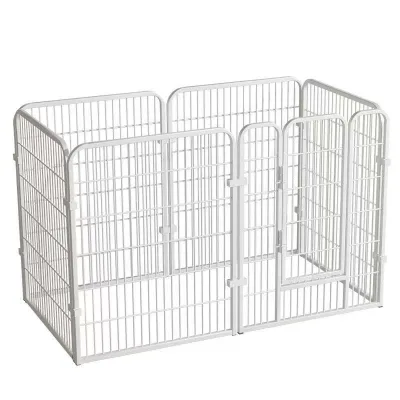
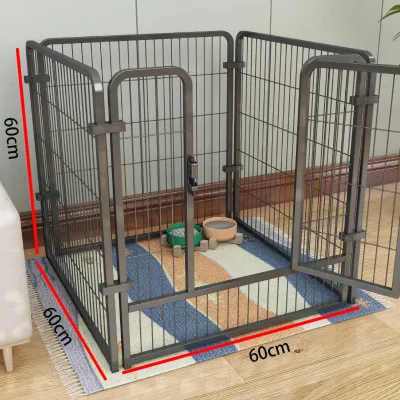
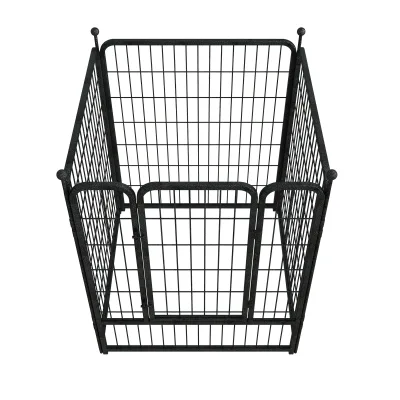
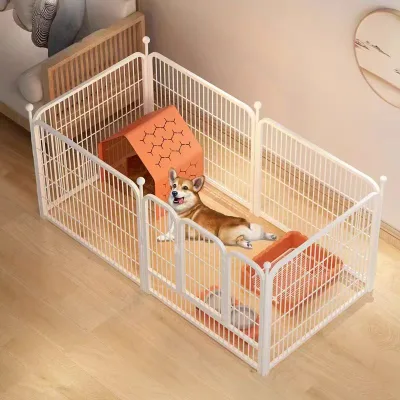
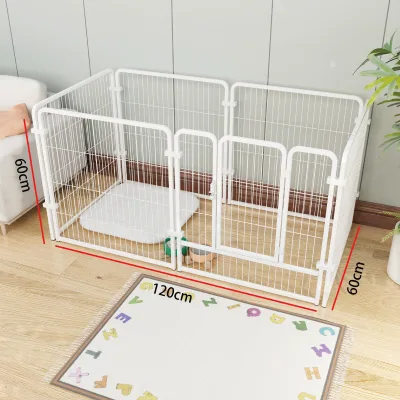
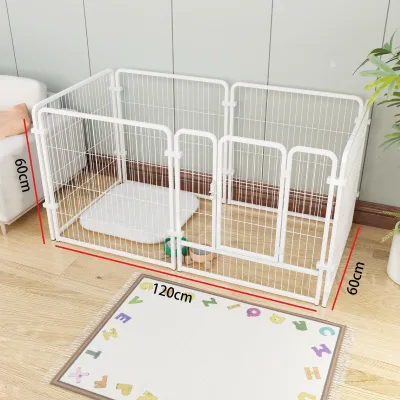





Comprehensive Sourcing Guide
Adjustable Iron Pet Barrier Sourcing Guide
Procurement of adjustable iron pet barriers requires careful alignment with specific installation environments, as observed listings indicate a mix of wall-mounted and floor-type configurations. Buyers must verify whether the unit is designed for permanent indoor mounting or temporary floor placement, as the structural requirements differ significantly between these two application types. The presence of multifunctional designs suggests versatility, yet the physical form factor must match the intended space constraints to ensure stability and safety.
Material composition is a critical decision point, with observed data highlighting both general metal and specific iron wire constructions. Iron wire variants often offer flexibility for custom mesh sizes, while solid iron components provide rigid containment. Sourcing teams should prioritize suppliers who explicitly define the material grade and wire thickness, as these factors directly influence the barrier's durability and its ability to withstand repeated adjustments without structural fatigue or deformation over time.
Product Scope and Observed Listing Signals
The market for adjustable iron pet barriers displays a wide range of functional attributes, including features like cat repellent capabilities and decorative applications. Listings indicate that some units serve dual purposes as both safety barriers and fashion accessories, often featuring eco-friendly and recyclable properties. Buyers should scrutinize these claims to ensure the product meets the specific behavioral needs of the pets while maintaining the aesthetic requirements of the interior space.
Customization is a dominant signal in the current supply landscape, with many suppliers offering tailored dimensions, colors, and logo integration. Observed data confirms that size, color, and packaging can be customized, allowing buyers to align the product with specific brand identities or spatial dimensions. However, the availability of these custom options often comes with minimum order quantities, requiring procurement teams to balance customization needs against inventory volume constraints.
Technical Specifications to Verify
Dimensional accuracy is paramount when selecting an adjustable barrier, as observed specifications range from compact units to larger configurations suitable for various room layouts. Buyers must verify the exact mesh size and overall fence dimensions, noting that some listings specify standard sizes while others offer fully customized measurements. Ensuring the barrier fits the intended opening without gaps is essential for effective containment and safety compliance.
The installation mechanism and physical form must be rigorously tested against the intended usage environment. While some products are designed as non-rechargeable traps or solid physical forms, others function as protective mesh or sieving structures. Verification should include checking the hole shape, such as square openings, and confirming the structural integrity of the iron wire or metal frame to ensure it can support the necessary load and resist bending under pressure.
Compliance and Safety Documentation
Safety compliance for pet barriers often involves verifying that the product meets specific industry standards for structural integrity and material safety. Although specific certification names vary, buyers should request documentation confirming that the iron or metal components are free from hazardous substances and meet local safety regulations for household and commercial use. This is particularly important for products intended for indoor environments where pets and children may interact closely with the barrier.
Environmental compliance is another critical area, as many listings highlight eco-friendly and recyclable features. Procurement teams should seek evidence that the manufacturing process adheres to sustainable practices and that the materials used can be responsibly recycled at the end of the product's life cycle. This documentation not only supports corporate sustainability goals but also ensures the product aligns with growing consumer demand for environmentally responsible pet care solutions.
Cost Drivers and Commercial Terms
Pricing for adjustable iron pet barriers is influenced by material costs, customization levels, and order volume, with observed ranges reflecting significant variation based on these factors. Buyers should anticipate that custom dimensions, specialized finishes, or added features like logos will increase the unit cost. Understanding the relationship between order quantity and price is essential, as minimum order quantities often dictate the economic viability of the purchase for smaller buyers.
Commercial terms regarding packaging and shipping must be clearly defined to avoid unexpected costs or logistical delays. Observed data indicates that products are typically packed in cartons, with some suppliers offering standard or single packing options. Buyers should negotiate clear terms for packaging durability to prevent damage during transit and clarify whether the supplier handles export documentation and logistics, ensuring a smooth delivery process to the final destination.
Supplier Qualification and Quality Control
Supplier qualification should focus on verifying the manufacturer's capacity to deliver consistent quality across customized orders. Buyers must assess the supplier's track record for maintaining material standards, particularly regarding the iron wire or metal components used in the barriers. Requesting samples is a critical step, as it allows for a physical inspection of the build quality, finish, and the effectiveness of the adjustable mechanisms before committing to a larger order.
Quality control processes should be transparent and robust, ensuring that every unit meets the specified dimensions and functional requirements. Buyers should inquire about the supplier's internal testing protocols for structural strength and durability, especially for products intended for high-traffic areas or heavy-duty use. Establishing a clear quality assurance framework with the supplier helps mitigate the risk of receiving substandard products that could compromise pet safety or fail prematurely.
Long-Term Procurement Checks
Sustaining a successful procurement relationship requires regular performance reviews to ensure the supplier continues to meet quality and delivery expectations. Buyers should establish key performance indicators related to defect rates, on-time delivery, and responsiveness to customization requests. Regular audits or feedback loops help identify potential issues early, allowing for corrective actions before they impact the supply chain or customer satisfaction.
Future-proofing the procurement strategy involves monitoring market trends and technological advancements in pet barrier design. As consumer preferences shift towards more eco-friendly or multifunctional products, buyers should maintain open communication with suppliers to stay informed about new materials or features. This proactive approach ensures that the procurement strategy remains aligned with evolving market demands and continues to deliver value over the long term.
FAQs
Can adjustable iron pet barriers be customized for specific needs?
Yes, customization is available for these metal barriers. Buyers can request specific colors, such as white or green, and add customized logos. The product supports OEM and ODM services, allowing for tailored designs. This ensures the barrier fits your brand identity and functional requirements perfectly.
What is the minimum order quantity for iron pet barriers?
The minimum order quantity is typically 200 pieces. This MOQ applies to standard orders for these metal traps or barriers. Buyers should confirm the exact MOQ with the supplier, as it may vary based on customization levels or specific model requirements like the HU20260813-31 or TLMCT01 models.
Are these pet barriers suitable for indoor use?
Yes, these barriers are designed for indoor applications. They are available in wall-mounted or floor-type installations. The metal construction ensures durability for home environments. Some models are also suitable for daily use and decoration, providing a stylish yet functional solution for pet containment within residential spaces.
What materials are used to construct these pet barriers?
These barriers are primarily constructed from iron or iron wire. The metal material provides strength and longevity for pet containment. Some variants feature a mesh size of 2 inches, suitable for sieving or cage applications. The solid physical form ensures stability and safety for protecting pets in various indoor settings.
How are these metal barriers packaged for shipping?
The barriers are packaged in standard cartons or coils, depending on the model. This packaging ensures safe transit and protection from damage. The single packing method is commonly used for individual units. Buyers should verify the specific packing details with the supplier to ensure compatibility with their logistics and storage requirements.
What certifications do these pet barriers hold?
Some models hold ISO certifications, indicating adherence to quality standards. Buyers should request specific certification documents from the supplier for verification. The product origin is often China, with specific locations like Fujian or Suzhou. Ensuring compliance with local regulations is essential, so verifying the exact certification status is recommended before purchase.